Most hunting and shooting hearing protection fails the people wearing it. Not because the product is bad. Because it does not fit, does not seal, or sacrifices the situational awareness a hunter or shooter genuinely needs in the field.
OtoPro is a concierge hearing protection brokerage founded by Grace Sturdivant, Doctor of Audiology. We approach hearing protection as a clinical process, not a transaction, and we are not aligned with any brand or manufacturer. That independence shapes how we work. We begin with your anatomy, your discipline, and the environments where you shoot, then guide you to the protection that fits all three. We pair you with a credentialed provider in our network of more than 450 clinics across the United States, Canada, and abroad for a thorough exam of your ears, custom earmold impressions, and a baseline hearing test. With clinical oversight from the start, we serve as your point of contact for follow up services addressing any hearing protection or hearing-related concerns that may arise.
This page is a guide, not a pitch. By the end of it, you should understand why hearing damage from gunfire is its own clinical problem, how the four major protection categories compare in the field, why fit matters more than the number printed on the package, and what to expect if you decide to work with us. The products in this collection sit below. The reasoning behind them is here.
How gunfire damages hearing
Gunfire damages hearing in a way that most protection products are not designed to handle. The sound from a single shot is what audiologists call impulse noise. It arrives in a fraction of a second, peaks at levels far above what continuous machinery noise reaches, and is gone before your ear has a chance to react.
The damage that follows is largely invisible. Hearing loss from noise exposure works less like a single injury and more like sun damage. One range session, one hunting trip, one round of trap is rarely the moment a person notices a change. The change arrives over years, in small increments that add up. By the time the difference shows up in conversations or on an audiogram, the damage has usually been accumulating for a long time.
The cellular mechanism, simply described: The hair cells of the inner ear translate sound vibrations into the signals your brain interprets as hearing. Steady noise can flatten those hair cells the way a steady wind flattens blades of grass, which recover to standing upright when the wind stops. But storm-force winds may come along suddenly with such force that the blades of grass will no longer return to standing, or may be uprooted entirely. This is akin to the sudden sound pressure force of a gunshot on those delicate hair cells. Once those hair cells are damaged, no clinical treatment brings them back.
This is why occasional shooters cannot shrug off hearing protection as something for the people who shoot every day. Every exposure adds to the lifetime account, and the account does not reset.
The four categories of protection
There are four broad categories of hearing protection that work for hunting and shooting. Each has a place. The right choice depends on what you do, how often you do it, and what you need to hear in between the shots.
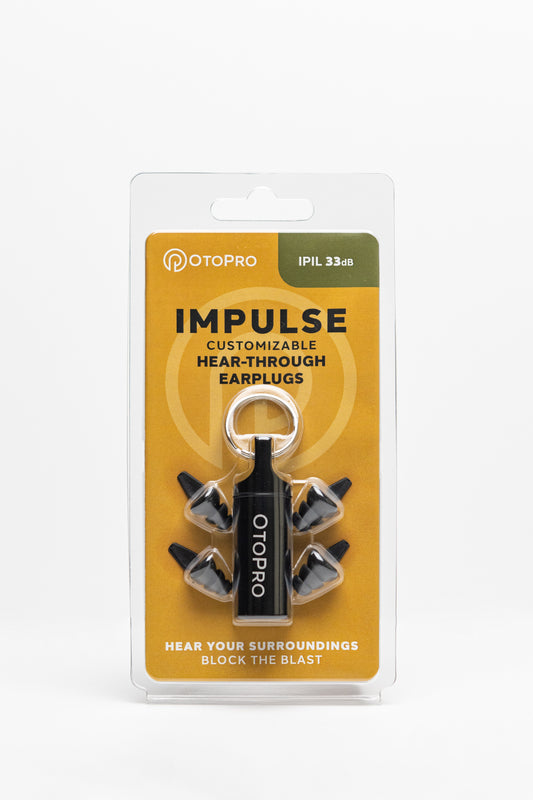
Foam plugs and basic earmuffs are the entry tier. A properly inserted foam plug provides real attenuation and costs almost nothing. Stock muffs from a sporting goods store add another layer when worn together. The trade-off is that you cannot hear range commands, conversation, or game movement clearly while wearing them, which limits them to environments where situational awareness is not the priority.
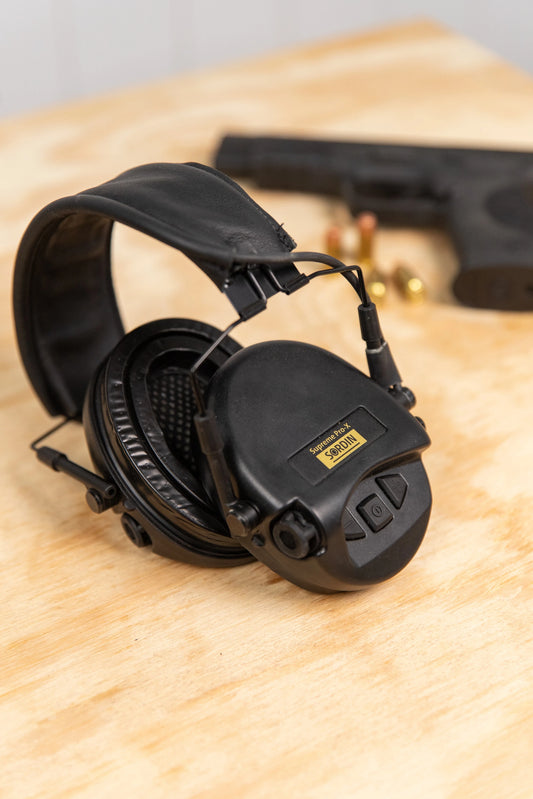
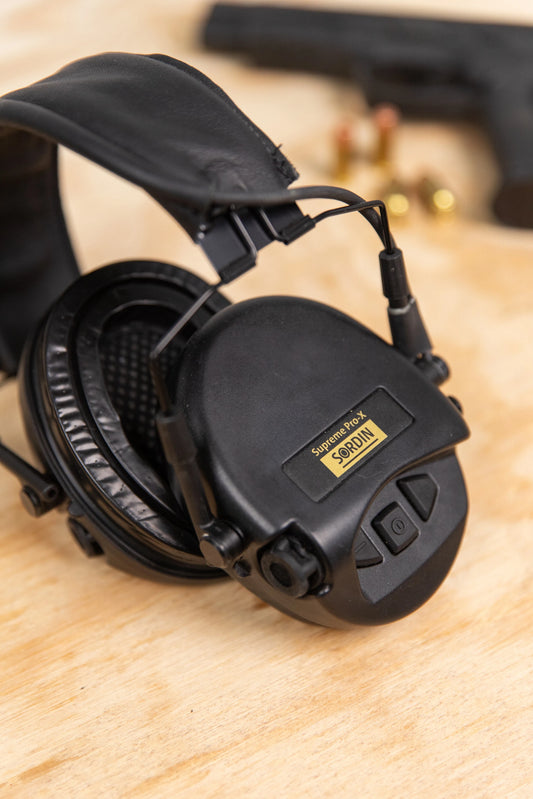
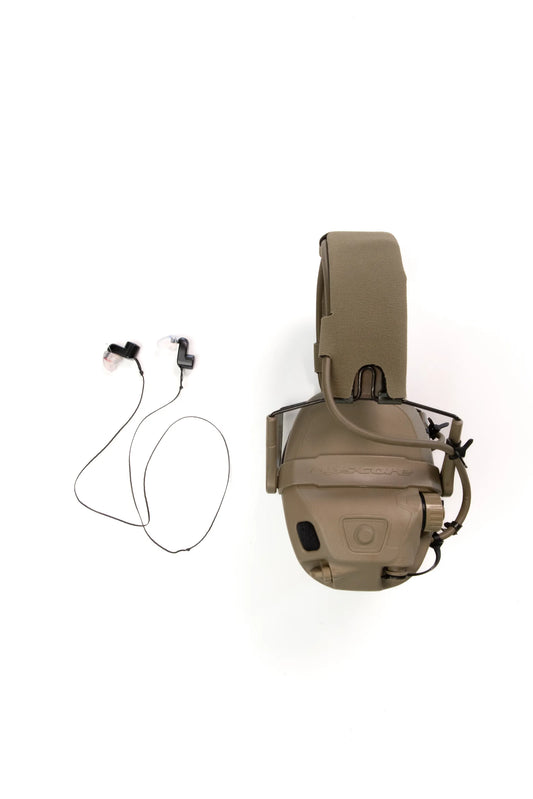
Over-the-counter electronic muffs solve part of that problem. They use external microphones to pass through ambient sound at safe levels and clip the volume of the gunshot. They are useful for range work, hunting in groups, and any situation where conversation matters. Their limitations are interference with gun mount, size, comfort over long days, and the inconsistent fit of mass-produced muff cushions on differently shaped heads. Glasses often break the seal at the temple. Long sessions cause fatigue.
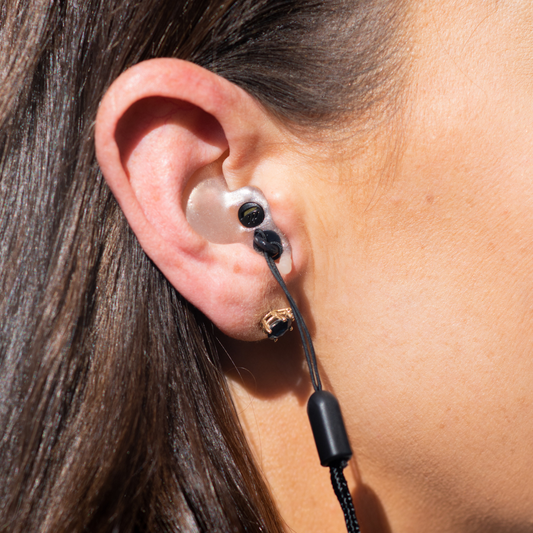
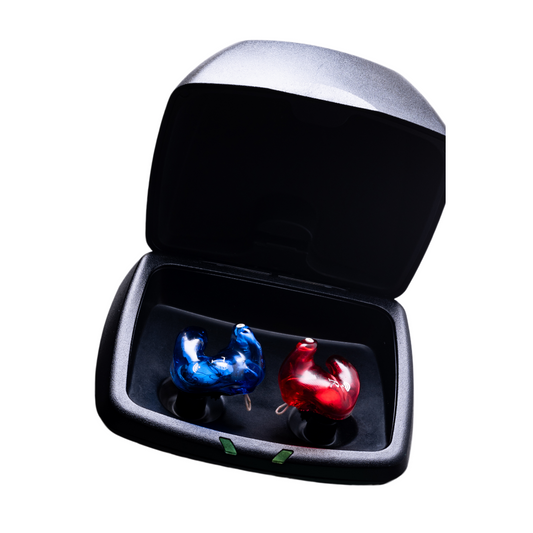
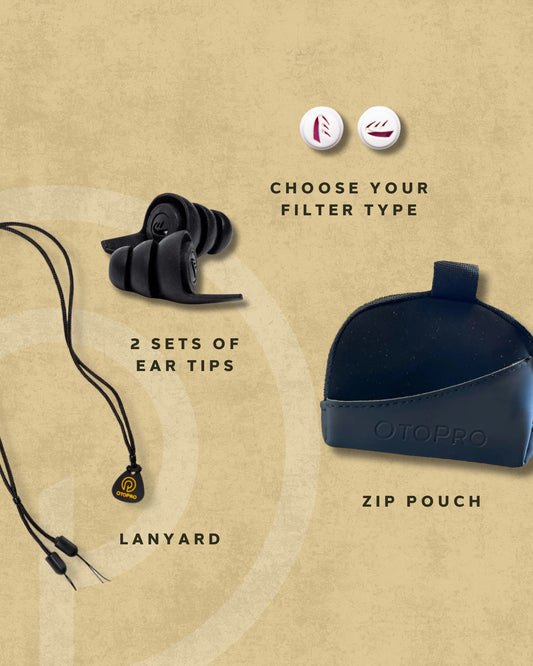
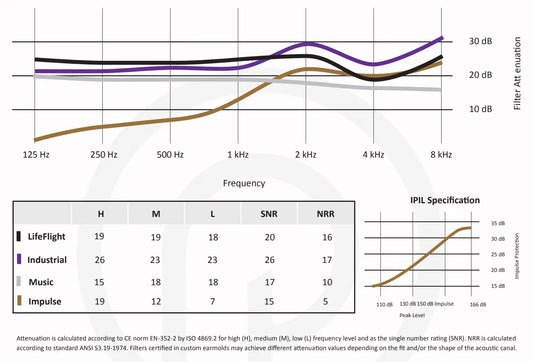
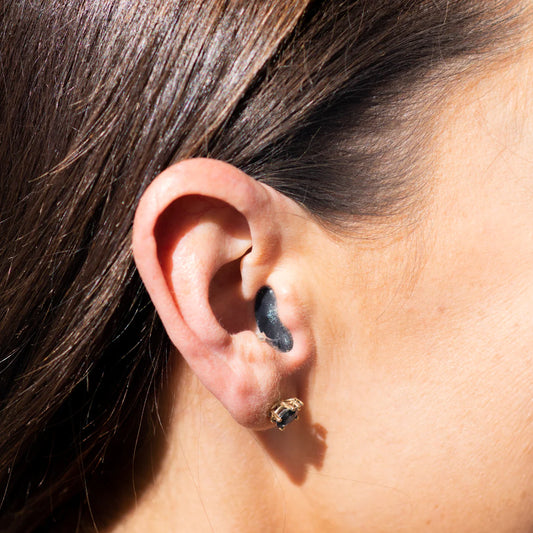
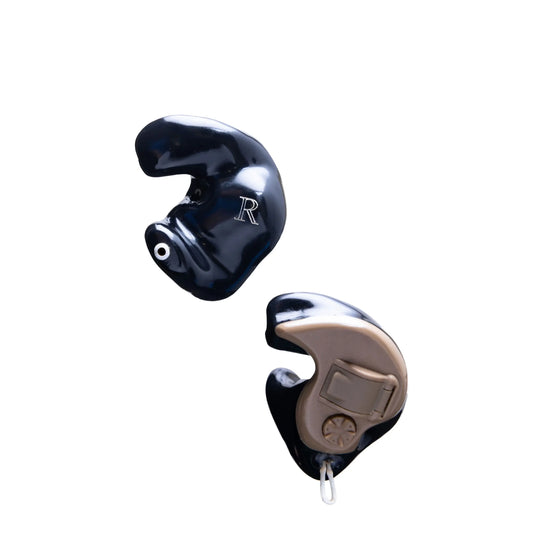
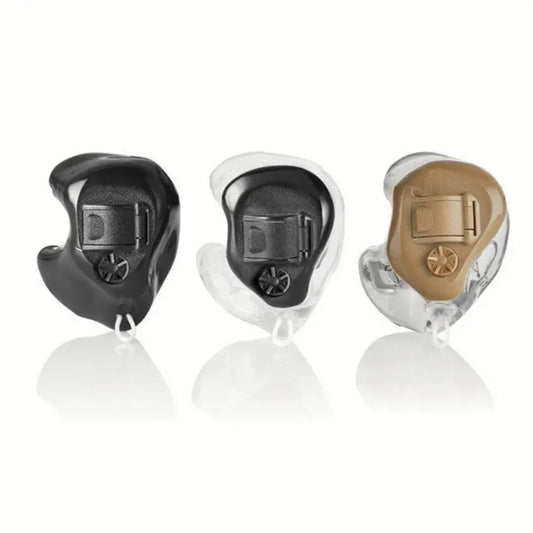
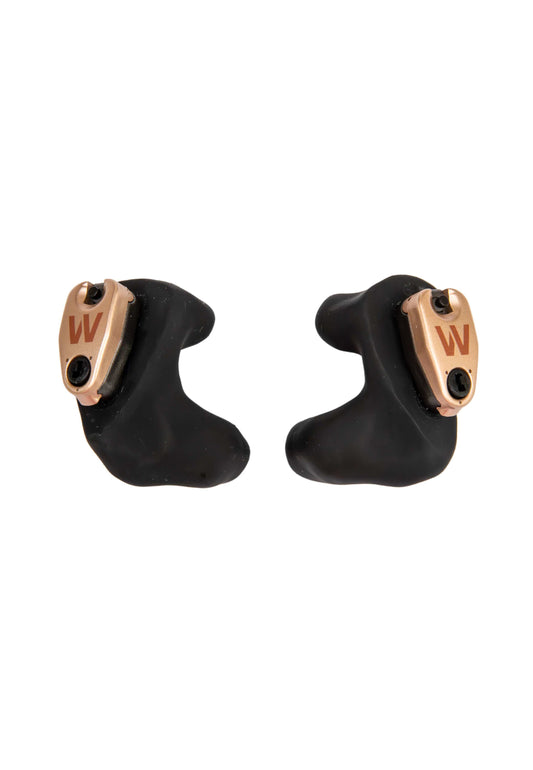
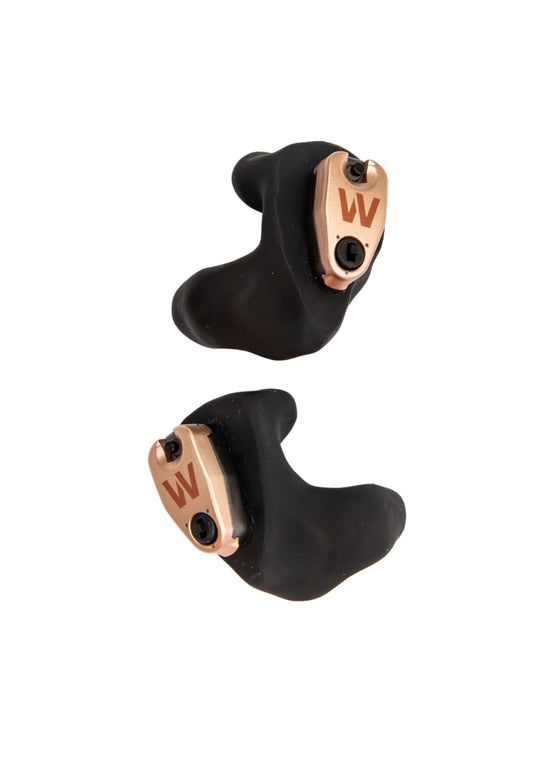
Passive filtered custom plugs are made from impressions of your individual ear canals. The seal is dependable because the geometry matches your anatomy. The reduction is filtered rather than absolute, which keeps speech and environmental cues audible while clipping the gunshot. They are quiet, low-profile, and built to last for years. For shooters who do not need amplification, this is often the most comfortable answer.
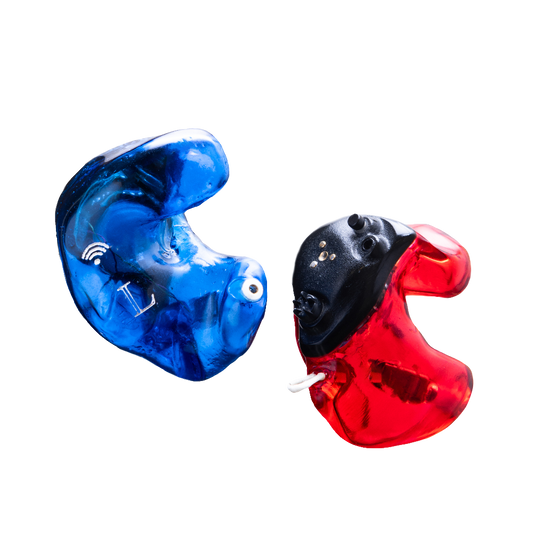
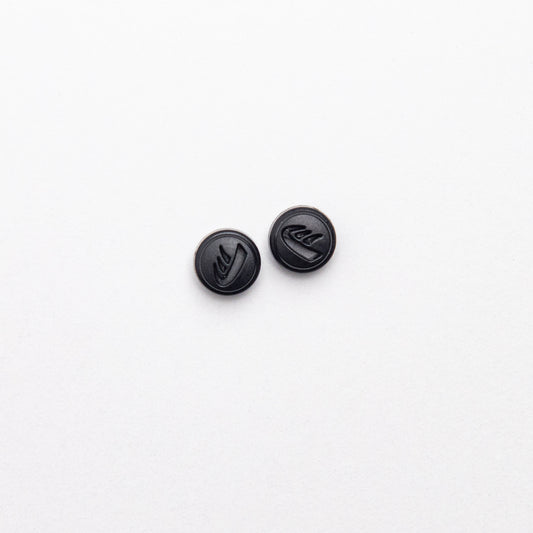
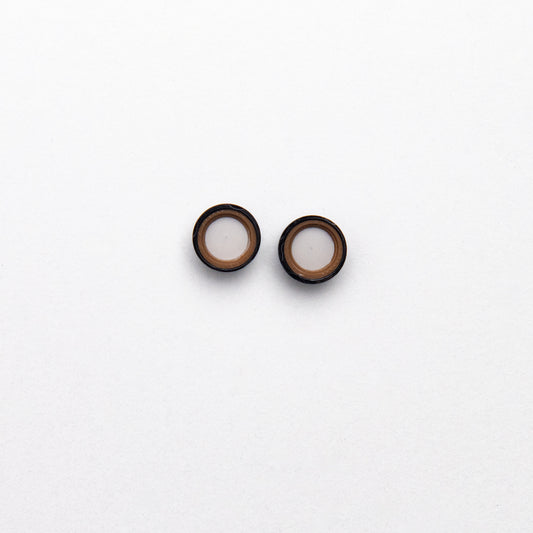
Electronic custom protection combines the custom fit with miniature electronics housed inside the shell. The result is in-ear amplification that enhances sounds like speech and game movement, and then suppresses loud sounds like gunshots over a predetermined limit. This is the category that competitive shooters, serious hunters, and professional users tend to land in once they have tried the alternatives.
Why fit decides whether the rating is real
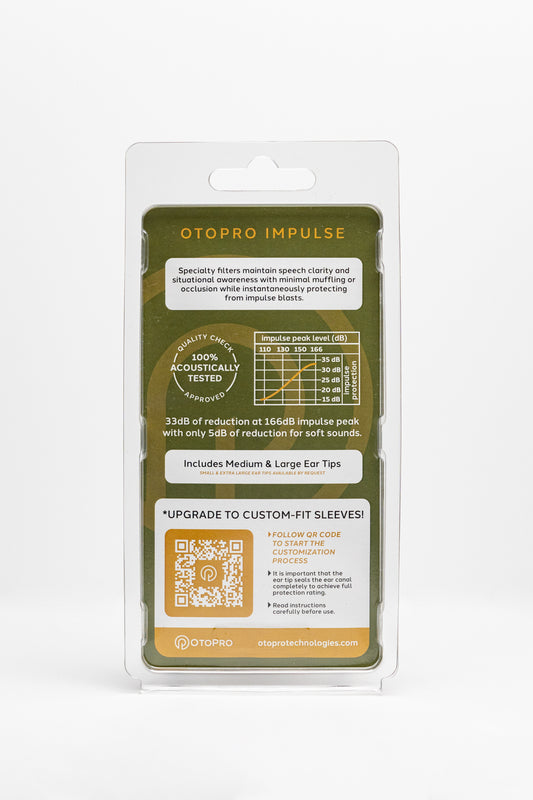
The rating printed on the package matters less than most people assume. NRR, the Noise Reduction Rating, is measured in a controlled laboratory setting on test subjects whose hearing protection has been inserted or seated by a technician. The number tells you the protection's ideal potential. It does not tell you how that potential survives the moment you put the product on your own ear and head out to the field.
Think of hearing protection the way you would think of weather stripping on a door. The door rated for the harshest winter does nothing if it does not seal at the frame. Cold air finds the smallest gap and pours through. Sound behaves the same way. A custom plug with a perfect seal and a realistic rating will protect you better than a top-of-the-line muff with a quarter-inch gap at the temple where your sunglasses break the cushion.
This is the reason a properly fitted basic plug can outperform a poorly fitted premium one in the same shooting environment. It is also the reason we do not use mail-in kits or encourage clients to source their own impressions. We ensure that the clinician physically evaluates the ears, takes the impressions and identifies anatomy or medical issues that change which products will work. We take such care with our clinical fitting procedures because fit is crucial to the actual protection you'll experience.
Fit is the variable that decides whether the rating is real.
Working with OtoPro
Working with OtoPro is built around a few clinical steps that most retailers skip. If a consultation is desired, the process starts with a conversation about what you need, taking into account the firearms you use, the environments you use them in, the time you spend in those environments, and any hearing concerns you already have. From there we recommend the product or products that fit those requirements, drawing from every reputable manufacturer in the category rather than a single line.
Once you decide on the product, check out online. Then, we schedule an appointment with a credentialed provider in our network of more than 450 clinics across the United States, Canada, and abroad. The provider examines your ears and makes the earmold impressions to our specifications. You use the prepaid mailing label we emailed to you to ship those impressions, which will be used to build your custom products and are digitally scanned and stored for future orders. We follow up to confirm everything fits and works as expected, and we stay accessible for adjustments, repairs, and reorders.
You are not buying a product from us. You are starting a clinical process for long-term hearing wellness that includes hearing protection built just for you.
The products available for hunting and shooting are arranged below. If you would prefer to talk through your situation before choosing one, our contact form is the place to start. If you are earlier in the process and want to understand more about our clinical reasoning, our Field Notes emails and Resources tab are good places to look around.